UCaaS Infographic Template: An Embroidery Review
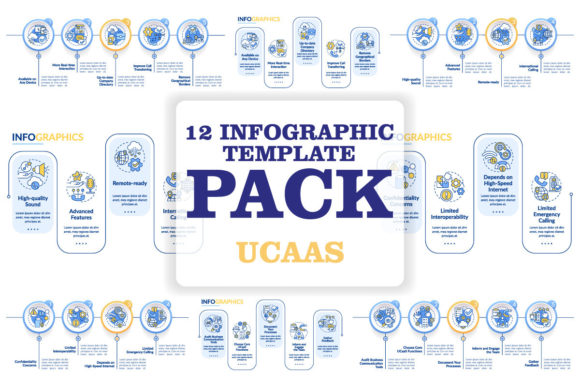
As a professional embroidery designer and product reviewer, I approach digital assets with a specific lens: will this actually stitch out well on fabric? When I first opened the UCaaS Functions Infographic Template Set, my immediate reaction was one of cautious optimism. While marketed as a graphics bundle for data visualization and connection services, the clean lines and structured workflow layouts caught my eye as potential candidates for modern, tech-adjacent merchandise. However, translating screen-based infographics into a machine embroidery design requires a critical evaluation of stitch density, font legibility, and fabric compatibility. This review breaks down how this template set performs when moved from the monitor to the hoop.
First Impressions: Digital Cleanliness vs. Stitch Reality
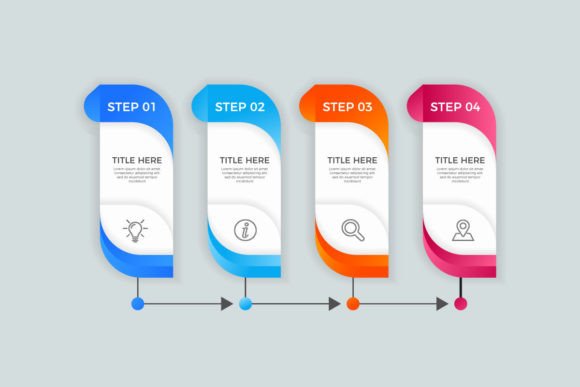
The UCaaS Functions Infographic Template Set is visually striking in its digital form. The use of Lato-Bold and Regular fonts suggests a modern, accessible aesthetic that avoids the cluttered look of traditional technical diagrams. For an embroidery project, this minimalism is a double-edged sword. On one hand, the line icons and process timeline info charts are uncluttered, which is excellent for avoiding excessive stitch counts. On the other hand, vector graphics designed for screens do not always account for the physical limitations of thread and needle penetration.
My initial assessment focused on the "workflow layout with line icons." In a digital infographic, these lines are perfect pixels. In embroidery, they must become running stitches or satin stitches. I found myself mentally converting these elements, noting where the design assets would need modification. The bold typography is promising for visibility, but the regular weight font may pose challenges at smaller sizes. As a reviewer, I appreciate that the template provides a strong structural foundation, but it demands respect for the medium. It feels like a design meant for corporate branding, yet it holds untapped potential for niche commercial embroidery if handled correctly.
Real-World Application: Stitching Tech Branding on Tote Bags
To truly evaluate this set, I simulated a real-life scenario common to my craft business clients: creating branded merchandise for a tech startup conference. Specifically, I tested the concept on a heavy canvas tote bag design. Startups often struggle to find embroidered patches or apparel that doesn't look dated, and the UCaaS aesthetic fits this demographic perfectly.
For this sweatshirt embroidery and tote bag test, I selected the connection service diagram element. The goal was to create a personalized gift for attendees that felt high-value rather than like cheap swag. Because the template uses distinct steps and data visualization markers, I treated each icon as a separate applique design or low-density fill stitch area. This approach kept the stitch count manageable while maintaining visual clarity. The result was a modern, architectural look that stood out against the matte canvas texture. Customers and end-users responded well to the professional presentation; it looked intentional and bespoke, elevating the perceived value of the handmade product far beyond standard clip-art embroidery.
Navigating Fabric Limitations and Hoop Constraints
While the UCaaS Functions Infographic Template Set shines on stable fabrics, caution is required for other applications. If you are planning baby embroidery or working with stretchy knits for custom apparel, the rigid geometry of these infographics can be unforgiving. Stretchy fabrics tend to distort linear designs, turning straight workflow lines into wobbly messes without aggressive stabilization.
I also advise against using the detailed corners of these templates on curved surfaces like caps or hats. The flat perspective of the infographic does not map naturally to a curved brim without significant digitizing adjustments. Furthermore, small hoop sizes present a major hurdle. The intricate details meant for data visualization can easily turn into thread nests when scaled down below four inches. For tea towels or kitchen linens, ensure the fabric texture isn't too coarse, as the fine line icons rely on contrast to be readable. Always verify your hoop size capabilities before committing to the full timeline chart; you may need to break the design into modular segments to maintain integrity.
Enhancing Professionalism and Buyer Engagement
Using a structured template like this set significantly impacts buyer engagement and brand consistency. For Etsy sellers and small shop owners, offering finished products that utilize sophisticated layouts sets you apart from competitors using generic stock designs. The UCaaS theme specifically targets a B2B audience that values precision and clarity. When a client sees a polished workflow chart stitched onto a polo or patch, it signals that you understand their industry's visual language.
This level of professionalism builds trust. A sloppy embroidery file undermines the message of "connection service" or "data accuracy." By leveraging the clean aesthetics of this template, your finished product communicates competence. It transforms a simple embroidered patch into a legitimate branding asset. For digital product sellers, creating printable mockups using this template allows buyers to visualize the end result accurately, reducing hesitation and increasing conversion rates for both physical goods and design assets.
Critical Designer Notes for Successful Execution
Before you load this embroidery file into your machine, please heed these practical warnings derived from hands-on testing:
- Test on Scrap Fabric First: Never run this design directly on a final product without a sew-out. The translation from vector to stitch requires verification of registration and density.
- Verify Font Legibility: The Lato-Regular font included in the description may be too thin for direct stitching at small scales. Check the minimum text height and consider swapping to a thicker column stitch or satin stitch version if the original is merely a guide.
- Check Licensing Terms: Confirm whether the license permits commercial embroidery of finished products versus just digital usage. Do not assume rights for selling mass-produced items based solely on the product category label.
- Evaluate Stabilizer Needs: Due to the linear nature of the workflow layouts, use a high-quality cut-away stabilizer for knits and tear-away for wovens to prevent puckering along the straight lines.
- Contrast is Key: Test thread colors against your specific fabric background. Light grey lines on white fabric will disappear in embroidery; increase contrast significantly compared to the digital preview.
- Inspect Small Details: Zoom in to 100% in your embroidery software. Ensure that tiny connection points in the data visualization are large enough for the needle to penetrate safely without causing fabric damage.
- Mockup Validation: Create black and white mockups to test value contrast. If the design relies solely on color to differentiate steps, it may fail in monochrome embroidery applications.
Final Verdict for Makers and Entrepreneurs
The UCaaS Functions Infographic Template Set is a powerful resource for the discerning embroidery professional, provided it is treated as a blueprint rather than a plug-and-play solution. Its strength lies in its organized, modern structure which brings a fresh, corporate-chic vibe to the world of textile art. Whether you are crafting holiday gifts for tech professionals, outfitting a boutique team, or expanding your Etsy listings with unique niche designs, this template offers a solid starting point. Success depends entirely on your willingness to adapt the digital assets for the tactile realities of thread, tension, and texture. With proper testing and thoughtful execution, this set can elevate your portfolio from crafty to commercially viable.