Medical Infographic: A Designer’s Embroidery Review
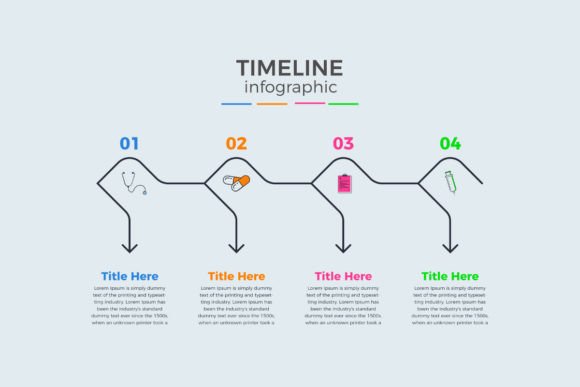
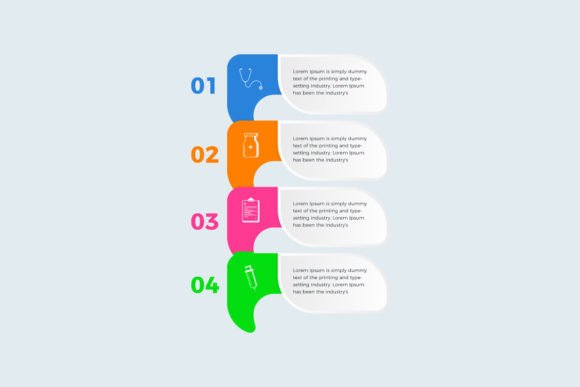
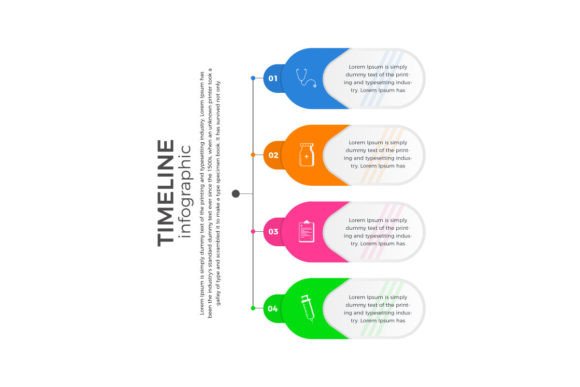
As an embroidery product reviewer and designer, I approach every new graphic asset with a specific question: will this actually stitch well? When evaluating the Medical Infographic package, my focus shifts immediately from screen to fabric. This collection offers four modern options featuring healthcare icons, delivered in versatile formats including Illustrator CC, EPS 10, SVG, PNG, and preview JPEGs. While these are technically vector graphics intended for digital or print infographics, their clean lines and structured layouts make them compelling candidates for adaptation into machine embroidery designs. For Etsy sellers, craft business owners, and apparel decorators, understanding how these digital assets translate to thread is crucial before committing to a production run.
First Impressions and Visual Personality
My initial assessment of the Medical Infographic templates reveals a clean, professional aesthetic that avoids the cluttered look often associated with medical imagery. The mood is trustworthy and modern, which is essential for healthcare-related merchandise. The layout relies on distinct iconography rather than complex shading, which is a significant advantage for embroidery. Unlike raster images that require heavy digitizing to simulate gradients, these vector-based graphics suggest natural areas for satin stitch borders and fill stitch interiors. The visual personality is organized and balanced, making it suitable for commercial embroidery projects where clarity and professionalism are paramount. As a designer, I appreciate that the icons are distinct enough to stand alone or work as part of a larger composition on custom apparel or personalized gifts.
Real-World Application: Stitching a Clinic Tote Bag
To truly evaluate this asset, I mentally walked through a recent project scenario: creating branded tote bags for a local pediatric clinic's health fair. The goal was a handmade product that felt high-quality yet approachable for children and parents. Using one of the Medical Infographic options, I envisioned placing a central healthcare icon on the front panel of a canvas tote bag design. In this real-life application, the simplicity of the vector art allowed for easy conversion into an embroidery file. Because the icons are geometrically sound, they digitize cleanly without excessive jump stitches.
For this specific sweatshirt embroidery or tote application, the design serves as more than just decoration; it communicates brand identity instantly. Customers react positively to clear, recognizable symbols, and the modern style of these infographics prevents the finished product from looking dated. Whether you are producing baby embroidery for a hospital gift shop or aprons for nursing staff, the structured nature of these graphics ensures the final stitched result looks intentional and polished. This level of visual appeal directly impacts perceived value, helping small shop products compete with mass-produced alternatives.
Performance Across Different Substrates
Versatility is key for any digital embroidery file used in a business setting. These Medical Infographic templates perform exceptionally well on stable, woven fabrics like cotton twill, canvas, and denim. The defined shapes hold their integrity during stitching, making them ideal for embroidered patches or cap designs. However, when applying these to stretchy knits for t-shirts or baby clothes, the open spaces in the infographic layout can be advantageous. They reduce overall stitch density compared to a solid logo block, minimizing fabric distortion and maintaining garment drape.
For holiday embroidery or seasonal clinic merchandise, the ability to isolate specific icons from the full infographic allows for creative customization. You might use just the heart icon for Valentine’s Day health promotions or the stethoscope for general branding. This modularity makes the asset pack highly valuable for makers who need fresh content without purchasing new designs constantly. The clean lines also ensure excellent stitching clarity on textured fabrics like tea towels or kitchen linens, where fine details often get lost.
Critical Considerations for Safe Stitching
Despite their versatility, these designs require careful handling in specific contexts. Because they originate as infographics, some elements may feature thin connecting lines or small text that do not translate safely to thread. Always inspect tiny lettering and detailed corners before hooping. On dark fabrics, ensure there is adequate contrast between the thread colors and the material; intricate details in low-contrast scenarios can disappear visually. Furthermore, while the vectors are scalable, reducing them too small for a 4x4 hoop size may cause registration issues or illegible elements.
Stretchy fabrics and curved surfaces like caps demand extra attention to stabilizer choice. A cut-away stabilizer is generally recommended for knits to prevent the Medical Infographic elements from puckering. For caps, verify that the design fits within the safe stitch area and does not extend over seams where needle deflection could occur. If using these for baby items, avoid dense fill stitch areas that could create a stiff, uncomfortable patch against sensitive skin. Opt for running stitch outlines or lighter fills to maintain softness and safety.
Designer Notes for Professional Results
Before listing any finished product derived from these assets, adhere to these practical guidelines to ensure quality and compliance:
- Test on Scrap Fabric First: Never run a new digitization of these vectors directly on a sellable item. Test stitch density and tension on similar fabric weight to confirm the Medical Infographic translates correctly.
- Verify Licensing Terms: The package includes various file types, but you must confirm whether the license permits selling finished embroidered goods or only digital products. Check the specific terms for commercial embroidery use before launching an Etsy listing.
- Check Thread Color Contrast: View your digitized version in black and white mockups to ensure the design reads clearly without relying solely on color differentiation. This is vital for accessibility and visual impact.
- Assess Stabilizer Needs: Match your stabilizer to both the fabric texture and the stitch density of the chosen infographic option. Heavier canvas needs less support than lightweight jersey knit.
- Inspect Small Details: Zoom in on the digitized file to identify elements thinner than 1mm. Convert these to running stitches or remove them entirely to prevent thread breaks and poor coverage.
- Create Printable Mockups: Use the included PNG and JPEG previews to create professional digital product previews or printable mockups for client approval before stitching begins.
- Evaluate Washability: If the end use involves frequent washing (like scrubs or baby bibs), ensure all satin stitch columns are adequately secured with underlay to prevent fraying over time.
Enhancing Brand Value Through Thoughtful Design
Ultimately, the success of using a Medical Infographic in embroidery lies in respecting the medium. These graphics offer a fantastic foundation for professional, modern healthcare merchandise because they prioritize clarity and structure. For creative entrepreneurs and makers, this means less time fixing digitizing errors and more time focusing on product development. When executed correctly, the resulting handmade products convey trust and competence, reinforcing the brand message of the healthcare provider or seller.
Whether you are crafting a personalized gift for a medical student or stocking a boutique with nurse-themed apparel, treating these vector assets with embroidery-specific mindfulness ensures a superior outcome. By testing thoroughly, selecting appropriate substrates, and honoring licensing requirements, you transform a simple digital template into a tangible, high-value asset for your craft business. The intersection of clean digital design and skilled embroidery execution is where true product excellence lives, and this Medical Infographic package provides the right raw materials to get there.