Half Hexagon Infographic Three Step Review
As a designer who spends more time behind an embroidery machine than a computer screen, I approach every new graphic asset with a healthy dose of skepticism. When evaluating the Half Hexagon Infographic Three Step for potential use in commercial and personal projects, my first thought isn't about how pretty it looks on a monitor. It is about how those clean vector lines will translate into thread tension, stabilizer requirements, and final product durability. This design presents a unique opportunity for makers because it bridges the gap between corporate infographic aesthetics and tangible, handmade goods. However, moving from a 300dpi digital file to a physical stitch-out requires careful planning to ensure the geometric precision survives the transition to fabric.
First Impressions: Geometric Precision Meets Thread
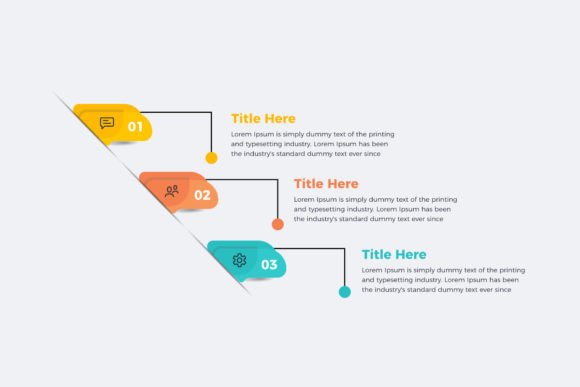
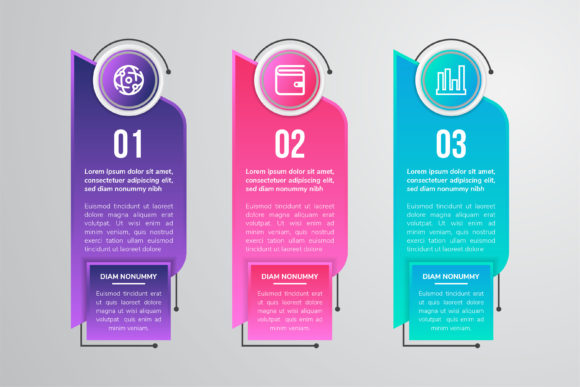
The visual personality of this design is undeniably structured. The half-hexagon shape offers a modern alternative to traditional circles or squares, providing a vertical flow that guides the eye naturally downward through three distinct steps. For an embroidery project, this verticality is a significant advantage. Unlike wide horizontal designs that can distort easily on stretchy fabrics, a vertical layout often sits better on garment centers and tote bag panels. The inclusion of icon placeholders suggests this is meant to be customizable, which is exactly what Etsy sellers and small business owners need for creating branded merchandise or instructional textiles.
However, the "infographic" nature implies sharp corners and straight lines. In the world of machine embroidery design, these are the most unforgiving elements to digitize. A curve can hide a slight registration shift; a straight line cannot. My immediate assessment is that this design demands high-quality digitizing. If you are converting this graphic yourself or purchasing a pre-digitized version, you must verify that the corners are mitered properly to prevent thread buildup and that the stitch density is balanced to avoid puckering on lighter fabrics.
Real-World Application: The Custom Tote Bag Test
To truly evaluate the utility of the Half Hexagon Infographic Three Step, I mentally placed it onto a heavy-duty canvas tote bag intended for a boutique client. The goal was to create a reusable shopping guide or a brand story element. Canvas is an ideal substrate for this type of geometric art because its tight weave supports detailed fill stitch areas without excessive distortion.
In this scenario, the three-step format works beautifully as a narrative device. Imagine stitching out a "Shop Local" campaign where each hexagon segment represents a different value proposition, accompanied by a simple icon. Because the design is vertical, it fits perfectly above the tote bag’s handle base without interfering with the structural seams. For custom apparel like sweatshirts, this layout could serve as a back print or a large chest piece for team uniforms, where the three steps outline safety protocols or company values. The key here is scale. This design needs room to breathe. Attempting to shrink it down for a baby onesie or a cap would likely result in lost detail and muddy stitching. It shines best as a medium-to-large statement piece on stable fabrics.
Navigating Fabric Limitations and Stabilizer Choices
While the design is versatile, there are specific environments where I would advise caution. The rigid geometry of the half-hexagon clashes with highly textured or unstable fabrics. I would hesitate to use this on terry cloth towels or plush blankets unless using a very aggressive topping and cutaway stabilizer. The texture of the fabric will fight against the clean lines of the infographic, potentially making the design look amateurish rather than professional.
Furthermore, consider the hoop size carefully. Vertical infographic designs often require taller hoops. If you attempt to split this design across multiple hoopings on a standard machine, aligning those straight hexagonal edges perfectly is notoriously difficult. Misalignment by even a millimeter will be glaringly obvious in a geometric pattern. For commercial embroidery shops running bulk orders, I recommend testing the alignment marks extensively before committing to production. On stretchy knits like jersey t-shirts, the weight of the dense fill stitches required to make the hexagons opaque can cause the fabric to sag. Always use a fusible no-show mesh or a firm cutaway to maintain the garment's drape and keep the graphic crisp.
Elevating Product Value Through Professional Execution
For creative entrepreneurs and handmade product sellers, the difference between a hobbyist look and a boutique finish often lies in the execution of vector-style graphics. The Half Hexagon Infographic Three Step communicates organization and professionalism. When a customer sees clean, well-registered geometric embroidery, they subconsciously trust the quality of the entire product. This is particularly relevant for personalized gifts or corporate swag where clarity is paramount.
Thread color selection plays a massive role here. High contrast is necessary for infographics to remain legible from a distance. A light gray hexagon on a white shirt might look subtle on screen but will disappear entirely in thread. I always recommend testing thread colors against the actual fabric in natural lighting before stitching. Additionally, consider the sheen of your thread. Matte threads tend to render infographic styles better than high-sheen rayon, as they mimic the flat appearance of printed graphics and reduce glare that can obscure fine details.
Essential Designer Notes Before You Stitch
Before loading this digital embroidery file into your machine, run through this practical checklist to ensure success:
- Verify Licensing: Confirm whether your purchase includes commercial rights for selling finished products or if it is limited to personal use. This is critical for Etsy sellers and shop owners.
- Check File Compatibility: Ensure the provided format matches your machine. While the source is a high-res graphic, you need a proper embroidery format (PES, DST, JEF, etc.) with correct stitch data.
- Density Audit: Inspect the design in editing software. If the fill stitch density is too high for your chosen fabric, reduce it to prevent needle breaks and fabric damage.
- Mockup Testing: Use printable mockup tools or black-and-white simulations to visualize placement. What looks centered on a screen may sit too low on a curved sweatshirt neckline.
- Sample Stitch-Out: Never skip the test run on scrap fabric identical to your final project. Check specifically for corner registration and text legibility within the icons.
- Stabilizer Matching: Pair the design weight with the fabric weight. Heavy fills on light fabric require robust support; light running stitch outlines on heavy denim may need a topping to prevent sinking.
Final Verdict for Makers and Sellers
The Half Hexagon Infographic Three Step is a sophisticated asset for the experienced embroiderer. It moves beyond typical floral or monogram designs, offering a functional aesthetic that appeals to modern consumers and corporate clients alike. Its success relies entirely on respecting the technical demands of geometric embroidery. By prioritizing proper stabilization, thoughtful scaling, and precise digitizing, you can transform this vector illustration into a high-value finished product that stands out in a crowded marketplace. Whether you are creating educational patches, branded tote bags, or unique nursery decor, this design offers a structured canvas for creativity, provided you treat the translation from pixel to stitch with the technical rigor it deserves.