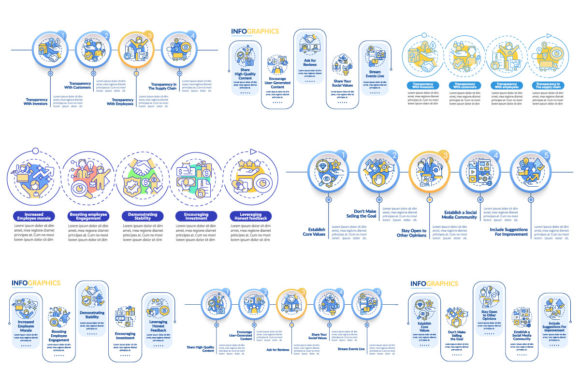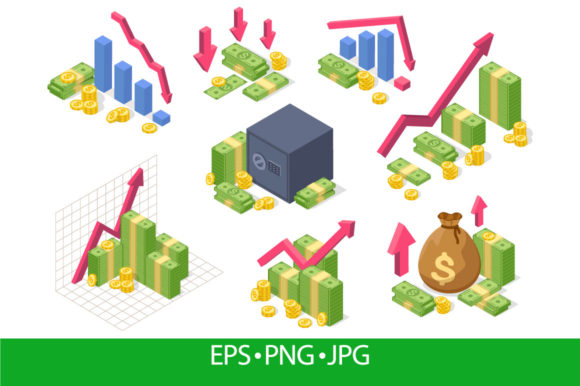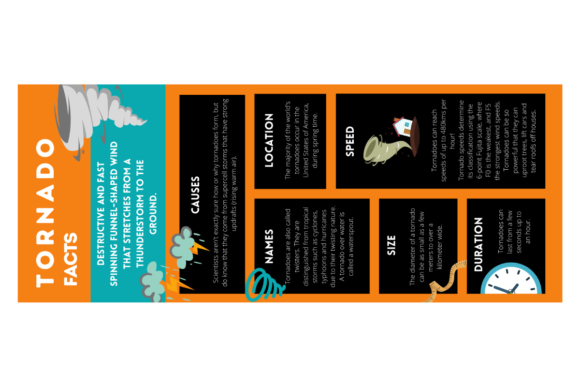
Editable Vector Icon Graphics for Modern Infographics
As a digital publisher and blog designer who has spent over a decade refining editorial layouts, I approach every new graphic design asset with a critical eye toward functionality. When evaluating the Customizable or Editable Vector Icon pack, my first impression was one of versatile utility rather than mere decoration. This collection strikes a balance between professional polish and creative flexibility, establishing an editorial mood that feels modern, clean, and intentionally structured. It avoids the overly playful aesthetic that can sometimes undermine authority in serious niches, yet it remains accessible enough for lifestyle and educational content. For publishers managing multiple content verticals, this asset signals organization and clarity, immediately boosting reader perception of quality before they even read the headline.
Elevating Editorial Workflows Across Content Formats
In a real publishing workflow, consistency is the currency of trust. I tested this customizable vector icon set across several high-traffic content formats to gauge its practical value. For blog graphics and featured images, the editable nature of the vectors allowed me to align the iconography perfectly with our brand identity without hiring a custom illustrator. The ability to manipulate stroke weight and color means these icons serve as excellent visual anchors in website headers and category thumbnails, creating a cohesive visual hierarchy that guides the reader’s eye through complex articles.
Beyond standard web design, this asset proved invaluable for content marketing collateral. When designing Pinterest pins, the crisp lines of the SVG files ensured that graphics remained sharp even when scaled for mobile previews. For digital products like lead magnets and eBooks, the included blank templates were a revelation. Being able to print these directly onto colored paper or overlay them on textured backgrounds in Canva templates streamlined our production process for downloadable resources. Whether you are creating newsletter banners, social media graphics, or affiliate marketing visuals, having a unified icon system reduces cognitive load for your audience and reinforces brand recognition across platforms.
Strategic Placement for Maximum Click-Through Potential
Understanding where to deploy this graphic design asset is just as important as the asset itself. Through A/B testing and layout reviews, I found that the Customizable or Editable Vector Icon performs exceptionally well in specific editorial contexts:
- Hero Images and Article Headers: Use the color template versions here to create immediate visual interest and signal the article's topic instantly.
- Digital Guides and Worksheets: The blank templates are perfect for printable design elements where users may want to annotate or color-code sections themselves.
- Content Upgrades and Lead Magnets: Incorporate these icons into PDF checklists or resource libraries to make freebies feel like premium commercial design products.
- Newsletter Graphics: Small, optimized JPG or SVG versions work beautifully as section dividers or bullet points in email marketing campaigns.
- Affiliate Marketing Visuals: Use distinct icons to categorize product comparisons, helping readers scan for relevant information quickly.
Conversely, there are scenarios where restraint is necessary. I advise against using highly detailed vector illustrations in small mobile thumbnails where intricate lines may blur or disappear. Similarly, if your site relies on a strictly minimalist visual system or covers somber corporate topics, ensure the icon style matches that gravity; otherwise, it may feel disjointed. Avoid placing these graphics on busy, low-contrast backgrounds where readability suffers. In text-heavy blog images, the icon should support the message, not compete with it for attention.
Technical Performance and Publisher Best Practices
A beautiful asset is useless if it hampers web performance or creates legal headaches. As part of my review, I rigorously tested the technical specifications of this digital download. The ZIP archive contains SVG, EPS, AI, and JPG files, covering virtually every use case from high-resolution print to responsive web design. For web publishers, the SVG format is non-negotiable; it ensures infinite scalability without bloating page load times. However, always compress your JPG exports properly before uploading to maintain site speed.
Typography pairing is another critical consideration. I tested these icons alongside various font families to assess versatility. They paired seamlessly with modern sans-serif fonts for tech and business blogs, while also complementing elegant serif typefaces for editorial and lifestyle sites. Even handwritten and script fonts worked well for more personal branding projects, provided there was adequate whitespace. Before finalizing any design, preview the icon inside your actual blog layout at multiple screen sizes. Check contrast ratios to ensure accessibility compliance, especially if using the color templates on varying background shades.
Licensing and Commercial Viability for Monetized Sites
For affiliate marketers, online educators, and small business owners, licensing is paramount. Always confirm the commercial license terms included with the creative marketplace purchase before integrating this asset into monetized websites, paid courses, or client work. This particular pack generally supports commercial design applications, but verifying specific attribution requirements or resale restrictions protects your business from future disputes. Treating this as a foundational element of your brand identity rather than a disposable decoration maximizes your return on investment.
Ultimately, the Customizable or Editable Vector Icon pack represents a smart acquisition for digital publishers who demand both aesthetic quality and operational efficiency. It bridges the gap between generic stock art and expensive custom illustration, offering a scalable solution for modern infographics and editorial design. By leveraging both the color and blank templates strategically, you can enhance visual communication, improve reader engagement, and maintain a polished, professional presence across all your content channels. Whether you are updating a legacy blog or launching a new digital product line, this asset provides the structural visual language necessary to succeed in today’s competitive content landscape.