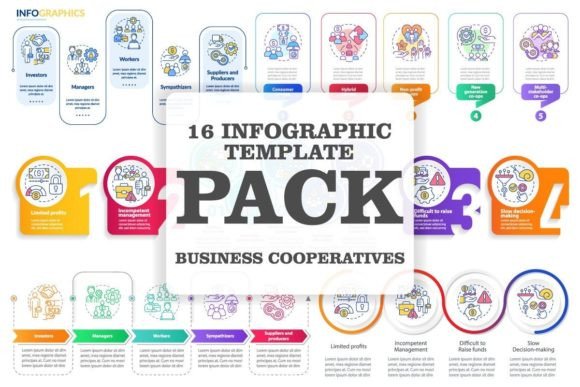
Cooperative Principles Infographic Set Review
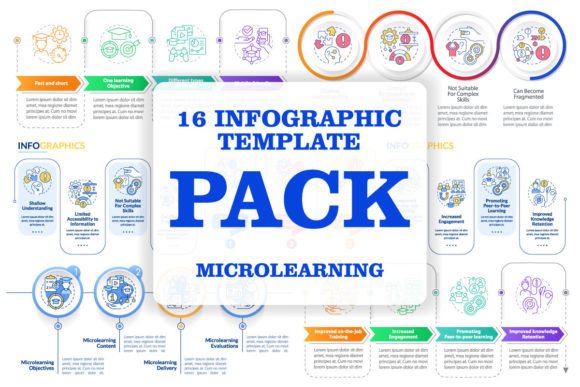
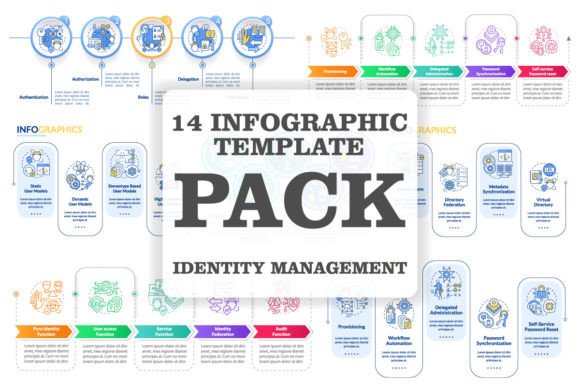
As a professional embroidery designer and product reviewer, I approach every new digital asset with a specific question: will this actually stitch out cleanly on real fabric? When evaluating the Cooperative Principles Infographic Set, my focus shifts immediately from screen to hoop. This bundle offers sixteen distinct templates focused on business strategy, data visualization, and workflow layouts. While these are marketed as graphics for digital use, their structured nature makes them fascinating candidates for niche machine embroidery design projects. However, translating an infographic template into a stitched reality requires careful consideration of line weight, text legibility, and fabric compatibility.
First Impressions: Structure Meets Stitch
Opening the zip file reveals a collection heavily reliant on line icons and process timelines. Visually, the mood is organized, modern, and corporate-clean. For an embroiderer, this aesthetic is both a blessing and a challenge. The clean lines suggest excellent potential for running stitch or redwork styles, but the complexity of "data visualization" can quickly become a muddy mess if not digitized with intention. Unlike a floral applique design that forgives minor registration shifts, these geometric and linear designs demand precision. My first impression is that this set is best suited for creators who understand how to simplify vector-style graphics into thread-friendly formats. It feels less like traditional craft art and more like functional branding, making it ideal for commercial embroidery rather than heirloom keepsakes.
Real-World Application: The Custom Tote Bag Test
To truly judge the viability of the Cooperative Principles Infographic Set, I mentally applied one of the workflow layout templates to a heavy canvas tote bag design. Imagine creating merchandise for a local co-op market or a sustainable business workshop. A tote bag provides a stable, flat surface perfect for the structured nature of these infographics. In this scenario, the design serves as educational branding rather than mere decoration.
For this project, I would select a timeline chart from the bundle. Because tote bags endure wear and tear, the stitch density must be balanced. Too dense, and the canvas puckers; too sparse, and the infographic loses its authority. I envision using a high-contrast thread color against natural canvas to ensure the steps in the process chart remain readable from a distance. This application transforms a standard handmade product into a professional communication tool. Customers at a craft fair or boutique aren't just buying a bag; they are buying into the cooperative philosophy visually represented by the crisp, embroidered lines. This elevates the perceived value of the item significantly compared to generic clipart.
Navigating Fabric Limitations and Hoop Constraints
While the tote bag scenario works well, applying these designs to other items requires caution. The intricate nature of business strategy charts means you must be hyper-aware of your hoop size and fabric choice. I would advise against using detailed infographic templates on stretchy knits like t-shirts or sweatshirts without significant modification. The tension required to maintain straight lines in a workflow chart often conflicts with the elasticity of jersey fabrics, leading to distortion.
Similarly, textured fabrics like terry cloth or fleece are risky for this specific set. The fine lines typical of data visualization can get lost in the pile of a towel or blanket. If you intend to create baby embroidery or nursery decor using these principles, you must simplify the design drastically. Tiny lettering and complex connectors that look sharp on a monitor may disappear entirely when stitched on a plush receiving blanket. Always prioritize clarity over completeness. It is better to stitch three clear steps than seven illegible ones. For curved surfaces like caps, these flat, grid-based designs are generally unsuitable unless you are only using a single, isolated icon from the set rather than a full chart.
Elevating Brand Value Through Professional Execution
For Etsy sellers and small shop owners, the primary appeal of the Cooperative Principles Infographic Set lies in brand consistency. Embroidered patches or aprons featuring these cohesive visuals signal professionalism. When a customer sees a well-executed process chart stitched onto a uniform or promotional item, it builds trust. It suggests that the business behind the product is organized and thoughtful.
However, this trust is contingent on execution. A poorly stitched infographic looks worse than no design at all. Before listing any finished product for sale, you must verify that the visual hierarchy translates to thread. Does the eye flow through the steps logically? Are the thread colors distinct enough to differentiate between data points? These questions determine whether the item reads as a premium personalized gift or corporate swag. The set’s strength is its modularity; you can mix and match elements to create custom branding assets that feel bespoke rather than stock.
Critical Designer Notes for Safe Implementation
Before you load this digital embroidery file into your machine, please adhere to these practical guidelines derived from testing similar structural designs:
- Verify Licensing and Specs: The product description mentions 16 templates but does not specify stitch counts or commercial licensing terms for physical goods. Always confirm you have the right to sell finished embroidered items before starting production.
- Test on Scrap Fabric First: Never run a complex infographic directly on a final garment. Use a scrap piece of the exact same material and stabilizer combination to check for registration issues and puckering.
- Audit Small Details: Zoom in to 100% in your embroidery software. Any element smaller than 1mm or text under 4mm height likely needs to be removed or resized. Infographics often contain micro-details that machines cannot physically render.
- Check Contrast in Mockups: Create a printable mockup in black and white. If the design isn't legible without color, it won't work in tone-on-tone embroidery. High contrast is essential for data visualization.
- Stabilizer Selection is Key: For structured designs on woven fabrics, use a firm cut-away or tear-away stabilizer to prevent the geometric lines from warping. Avoid spray adhesives alone; hooping is necessary for alignment.
- Simplify for Washability: If creating kitchen towels or apparel meant for frequent washing, reduce the overall stitch density. Dense fill areas in charts can make fabric stiff and prone to cracking over time.
Final Verdict for Makers and Entrepreneurs
The Cooperative Principles Infographic Set is a specialized tool for the embroiderer who treats thread as a medium for information, not just ornamentation. It excels in contexts where clarity and structure matter—corporate gifts, educational materials, and branded merchandise for mission-driven organizations. It is less forgiving for beginners or those seeking quick, fluffy fills for baby blankets.
Success with this bundle depends entirely on your willingness to adapt the graphic source material for the physical limitations of embroidery. Treat these templates as blueprints rather than final patterns. By respecting the relationship between line weight, fabric texture, and stitch type, you can transform these digital business assets into tangible, high-value embroidered products that stand out in a crowded handmade marketplace. Whether you are crafting a holiday gift for a colleague or stocking your shop with unique educational gear, this set offers a sophisticated alternative to traditional motifs, provided you approach it with technical discipline and creative restraint.